
Hiring professional movers for a local move can make the process faster, safer, and far less stressful — but one of the first questions most people ask is: how much do local movers actually cost?
The answer depends on several factors, including how much you’re moving, how far you’re going, and what services you need. This guide breaks down how local moving prices work, what affects the final cost, and how to estimate your moving budget with confidence.
Local moves are typically priced differently than long-distance moves. Instead of charging by weight and mileage, most professional movers use one of the following pricing structures:
Many movers charge an hourly rate based on:
Hourly pricing is sometimes used for very small, simple moves, but it often leads to uncertainty, unexpected costs, and price increases if the move takes longer than anticipated.
Some companies offer flat-rate pricing for local moves. This means:
Flat-rate pricing is generally the better option for most moves, especially larger homes or moves with added complexity, because it provides a guaranteed price upfront and eliminates the risk of unexpected time-based charges.
Local moving prices are influenced by several variables. Understanding these helps explain why two moves of the same distance can have very different costs. Size of the Move
The amount of furniture and boxes you have plays a major role. A studio apartment costs far less to move than a four-bedroom home with a garage and basement.
Movers factor in:
More labor and time generally means a higher cost.
If you need help with:
Your overall price may increase.
Peak moving season (late spring through early fall) is typically more expensive due to higher demand. Weekends and end-of-month moves may also cost more than mid-week moves.
While every move is different, here are general industry price ranges to help you set expectations:
These ranges depend heavily on time, labor, and services required. They are examples only, not quotes.
Different pricing models are available, but flat-rate pricing tends to work best for most moves by offering a clear, guaranteed cost upfront.
Hourly pricing is generally best suited only for very small, simple moves with minimal furniture and no access challenges. Because costs are tied directly to time, this option can become unpredictable if delays occur or the move takes longer than expected.
Flat-rate pricing, on the other hand, is the preferred choice for most moves. It provides a guaranteed price upfront and is ideal for larger homes, multi-level properties, long carries, or moves involving specialty items — eliminating uncertainty and protecting you from unexpected cost increases.
A professional walk-through or inventory review allows movers to provide an accurate flat-rate quote and ensure pricing is clear before moving day.
Before requesting quotes, you can estimate your move by:
Providing accurate details upfront leads to more accurate pricing.
When comparing moving quotes, always ask about:
Clear communication prevents misunderstandings on moving day.
You may be able to reduce costs by:
Small changes can make a noticeable difference.
If you’re planning a local move and want an accurate, guaranteed price, the best next step is to request a professional estimate.
Most local movers price moves based on labor and services rather than mileage; however, flat-rate pricing is typically favored because it eliminates the uncertainty that comes with time-based billing.
Tips are not typically included and are optional, based on your experience.
Some companies include basic protection; others charge separately for boxes and specialty materials.
Local moving prices vary widely, but understanding how pricing works helps you plan smarter and avoid surprises. Use this guide to compare options, ask the right questions, and choose a mover that fits your needs and budget.
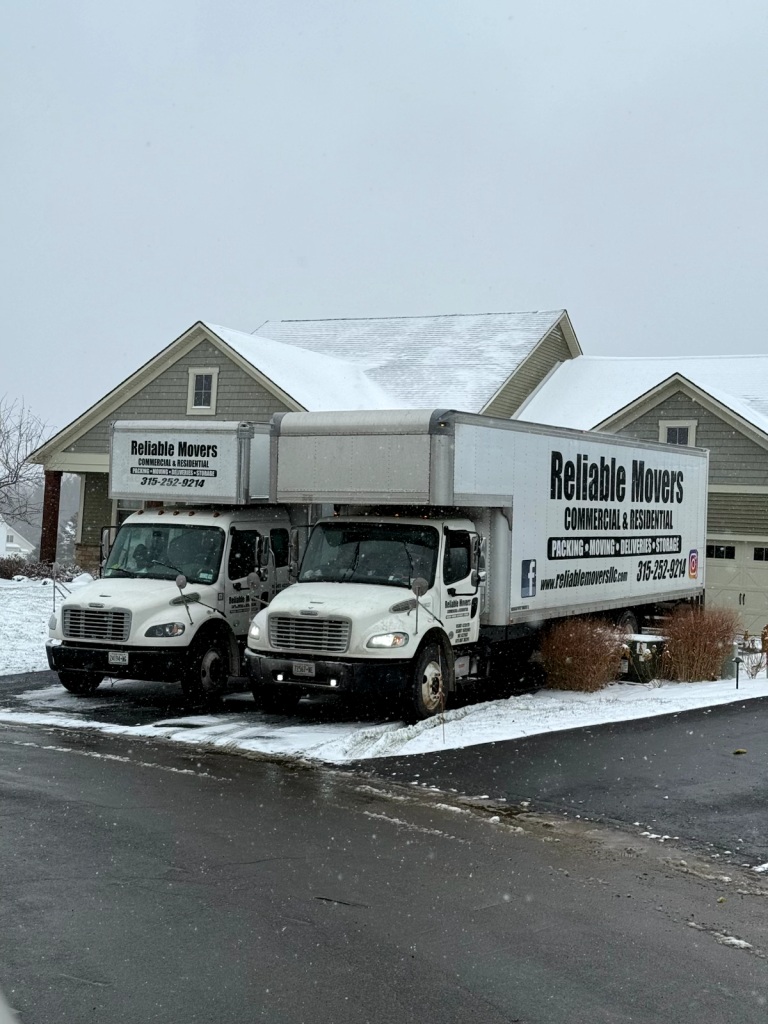


Reliable Movers is licensed and authorized as a intrastate and interstate household goods mover.
USDOT#1605981 & NYS DOT# 36291 & MC# 837987
Leave a Reply