Get a Head Start on a Stress-Free Move
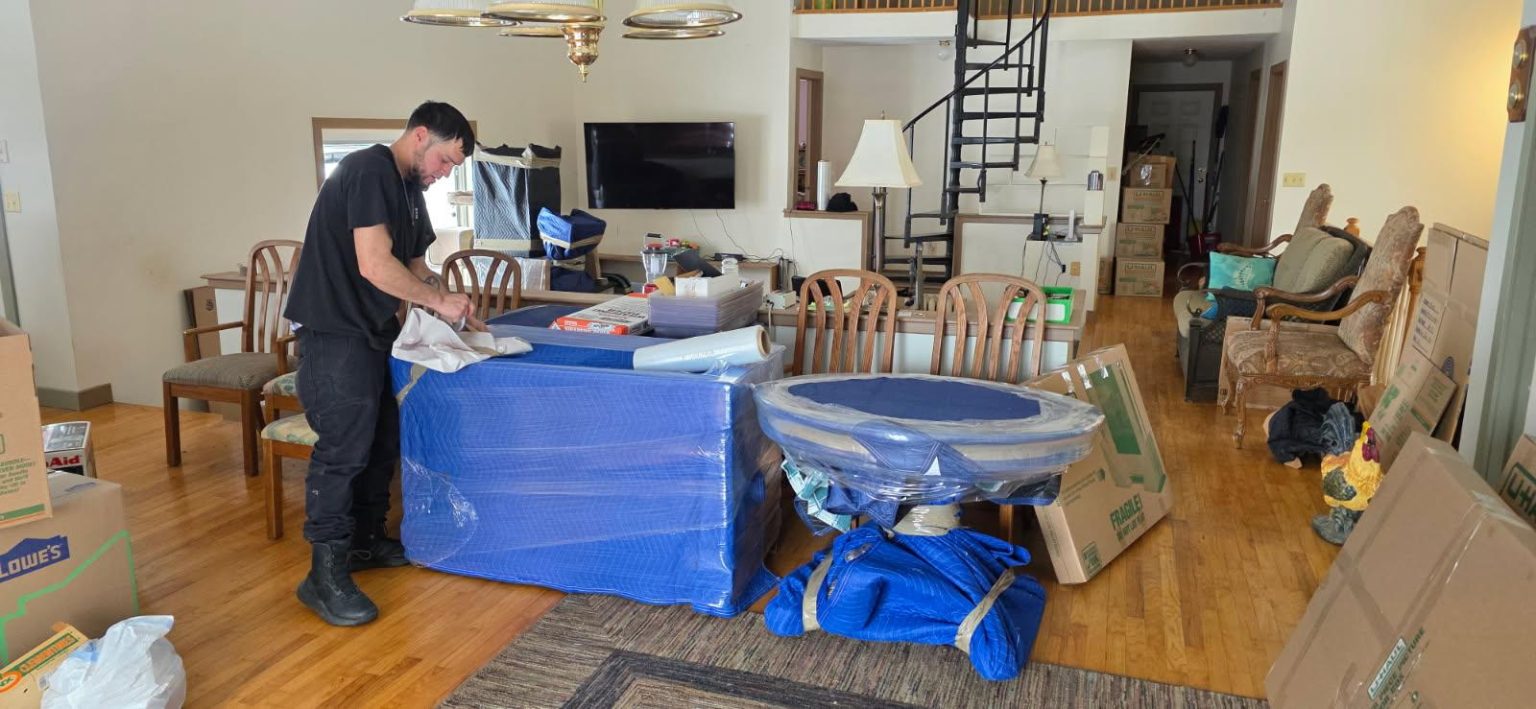
A good moving checklist helps you stay organized and avoid last-minute problems. Reliable Movers has helped Central New York families plan local, long-distance, and interstate moves since 1996.
Our free checklists cover everything from household moves and senior relocations to college moves, pets, storage, and vehicle transport.
General Moving Checklist Tips
- Start planning 4–6 weeks before moving day
- Confirm your move date early
- Label boxes by room and contents
- Pack a first-night essentials bag
- Keep IDs, medications, valuables, and important documents with you
- Notify schools, banks, utilities, and healthcare providers
-
Change your address with USPS
-
Review pet travel information
Specialized Moving Checklists
Moving With Kids
School transfers, routines, packing, and helping children adjust to the move.
College Moving
What to pack and how to prepare for a dorm or off-campus move.
Senior Moving
Downsizing, family coordination, medical needs, and transition planning.
Moving With Pets
Vet preparation, transportation, and helping pets adjust after the move.
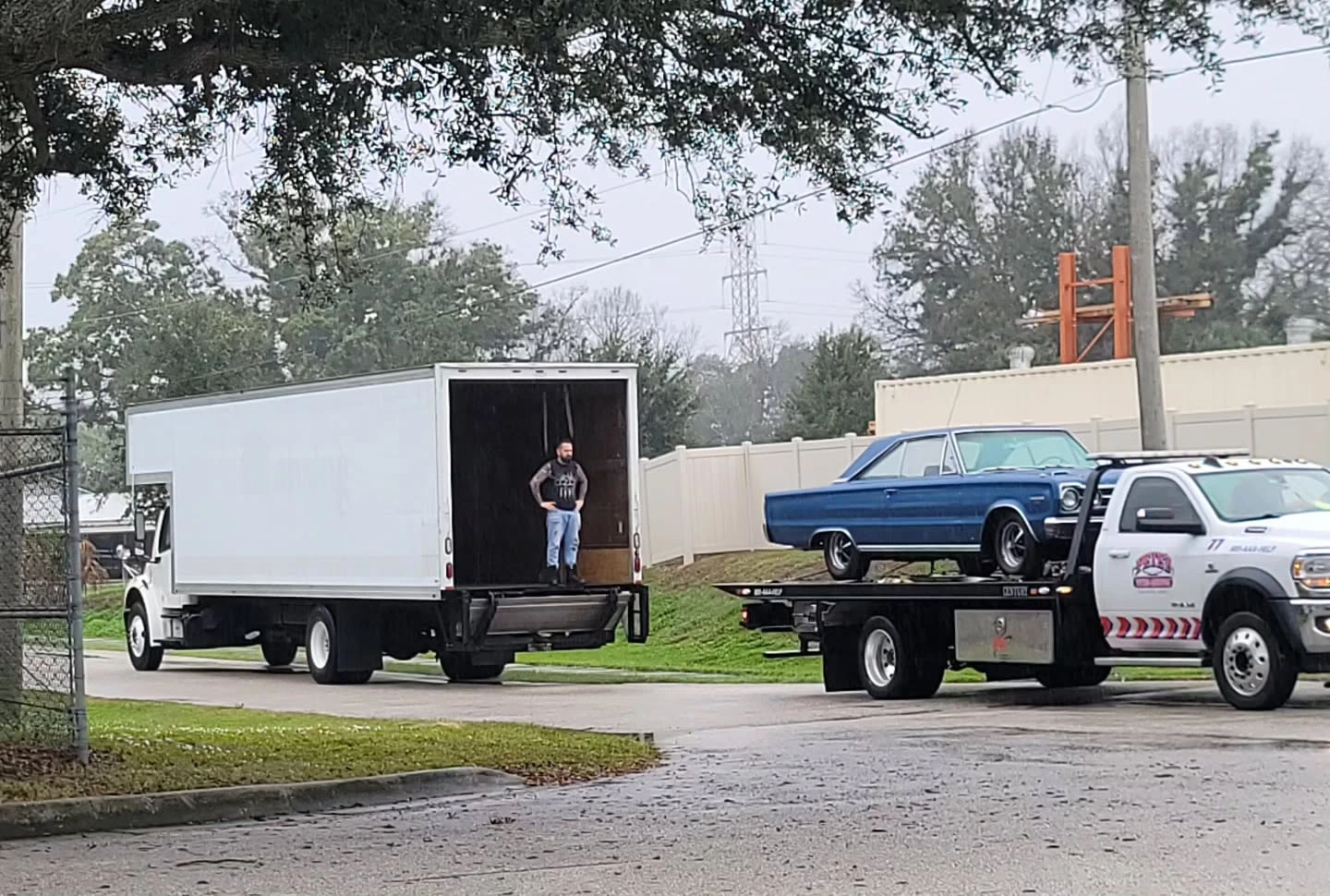
Auto Transport
Vehicle preparation, documentation, inspections, and delivery planning.
Storage Preparation
Packing, labeling, organizing, and protecting items placed in storage.
Moving Checklist FAQs
Answers to common questions about planning, packing, moving preparation, address changes, pets, seniors, college moves, and reducing moving day stress.
When should I start preparing for my move?
You should start preparing 4–6 weeks before moving day whenever possible. This gives you time to sort belongings, schedule your mover, gather supplies, pack properly, and avoid last-minute stress.
Do I need a moving checklist?
Yes. A moving checklist helps you stay organized before, during, and after your move. It can help prevent forgotten items, missed appointments, packing delays, and moving day confusion.
What should I pack first?
Start with items you do not use every day, such as seasonal clothing, decorations, extra dishes, books, storage items, and rarely used household goods.
What should I keep with me on moving day?
Keep medications, keys, wallets, cash, jewelry, important documents, phone chargers, basic toiletries, and first-night essentials with you instead of placing them on the moving truck.
Should boxes be labeled?
Yes. All boxes should be clearly labeled by room and contents. This helps the movers place boxes in the correct rooms and makes unpacking easier.
Do I need a separate checklist for pets?
Yes. Pets need extra planning. Make sure you prepare food, water, medications, vet records, carriers, bedding, and a safe place for your pet during the move.
Do seniors need a different moving checklist?
Senior moves often require extra planning for downsizing, medications, medical equipment, family coordination, paperwork, and comfort during the transition.
Should college students use a moving checklist?
Yes. College moves are easier when students plan what to bring, what to leave home, how to pack dorm items, and whether storage will be needed between semesters.
Can Reliable Movers help me plan my move?
Yes. Reliable Movers can help you plan local moves, long-distance moves, interstate moves, senior moves, college moves, packing services, storage, and specialty moving services.
What if I need help packing?
Reliable Movers offers packing services for customers who need help with boxes, fragile items, kitchens, small homes, apartments, and larger household moves.
Should I change my address before moving day?
Yes. Customers should update their address with the post office, banks, schools, healthcare providers, subscriptions, insurance companies, and any important accounts before or shortly after moving day.
What is the best way to reduce moving day stress?
The best way to reduce moving day stress is to plan early, pack properly, label boxes, keep essentials with you, confirm your moving date, and communicate clearly with your moving company.